

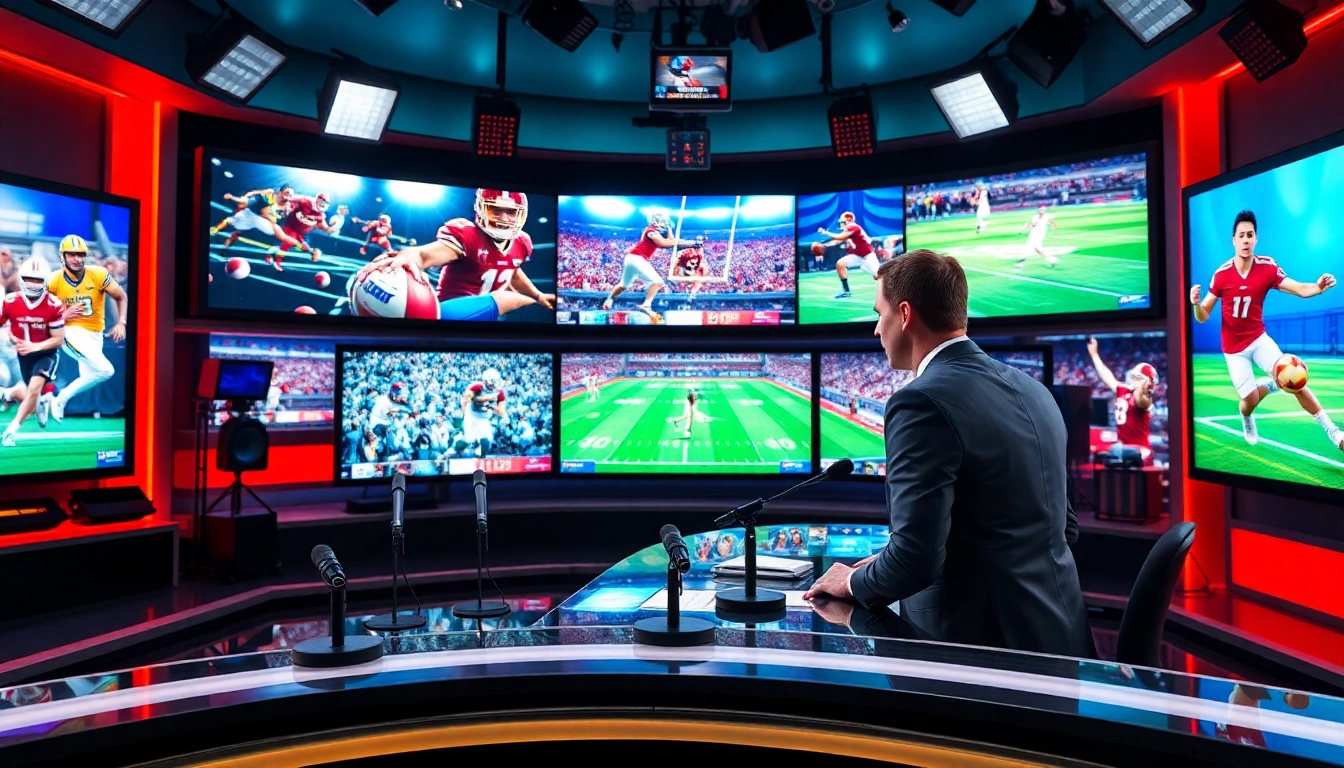
The Evolution of Sports Broadcasting
Sports broadcasting has transformed significantly over the decades, evolving from simple radio broadcasts of local games to high-definition, multi-camera coverage of global sporting events. This journey reflects broader changes in technology, audience preferences, and regulatory developments. The changes have not only shaped how fans experience sports but also how organizations strategize their marketing and engagement efforts across platforms. Understanding the trajectory of Sports Broadcasting is crucial for anyone involved in the industry.
Historical Milestones in Sports Broadcasting
The origins of sports broadcasting date back to the early 20th century. The first radio broadcasts of sports events emerged in the 1920s, with boxing and baseball matches receiving the most attention. Television further revolutionized sports broadcasting in the late 1940s to 1950s, bringing sports into living rooms across the United States and beyond. The debut of ESPN in 1979 marked a critical milestone, showcasing 24-hour sports coverage and heralding the era of specialized sports networks.
Impact of Technology on Sports Broadcasting
From black-and-white broadcasts to ultra-high-definition streams, technology has continuously shaped how sports are presented to audiences. The introduction of satellite technology expanded the reach of sports broadcasting, making it possible to cover international events such as the Olympics in real-time. Innovations like instant replay, slow-motion, and graphical overlays have enhanced viewer understanding and enjoyment of games. More recently, high-speed internet and streaming technologies have spurred the growth of digital platforms, changing the broadcasting landscape considerably.
Shifts in Audience Preferences
As technology has evolved, so have audience preferences. The rise of binge-watching and on-demand viewing has reversed the traditional need to watch games live. Today’s audiences demand flexibility, customization, and interactive experiences. This shift has prompted sports organizations and broadcasters to rethink their strategies, leveraging social media platforms and mobile apps to enhance fan engagement and attract younger audiences.
Current Trends in Sports Broadcasting
Rise of Streaming Platforms
Streaming platforms have emerged as powerful players in the sports broadcasting arena. Their flexibility offers audiences the ability to watch events on various devices, making sports more accessible than ever. Major conglomerates and startups alike are investing heavily in sports rights to cater to this growing demand, often offering exclusive content and features that traditional broadcasters can’t match.
Interactive Fan Engagement
Interactive technologies are redefining the viewer experience. Fans now participate in live polls, Q&A sessions, and social media discussions during events. Broadcasters are adopting these techniques to create a two-way communication channel, fostering a sense of community among fans. This engagement not only enhances the viewing experience but also serves as a valuable marketing tool for teams and leagues.
Data Analytics in Sports Broadcasting
The implementation of robust data analytics has transformed how broadcasters present content. Through audience behavior analysis, broadcasters are tailoring their programming to fit viewer preferences, increasing viewer satisfaction and retention. By leveraging data analytics, broadcasters can optimize advertisements and sponsorship placements, ensuring that they resonate with specific demographics effectively.
Innovations Shaping the Future of Sports Broadcasting
Virtual and Augmented Reality Applications
Virtual reality (VR) and augmented reality (AR) technologies are making waves in sports broadcasting, offering immersive experiences for viewers. Fans can now enjoy a front-row view from their homes, with VR platforms providing simulations of live games. AR enhances broadcasts by overlaying stats and player info on live footage, creating a dynamic viewing experience that captures the excitement of attending events in person.
AI and Machine Learning in Sports Coverage
Artificial intelligence is reshaping how content is created and delivered in sports broadcasting. AI-driven tools can automate aspects of coverage, such as highlights generation and real-time data display, allowing broadcasters to focus on storytelling and analysis. Machine learning algorithms analyze vast amounts of data to provide deeper insights into player performance and game strategy, which can be used to enhance commentary and analysis.
Enhanced Viewing Experiences Through 5G
The arrival of 5G technology is set to revolutionize the viewer experience. With faster speeds and improved connectivity, 5G enables streaming of high-definition content without buffering, making it ideal for sports fans. Broadcasters can experiment with multi-angle viewing options, giving audiences unprecedented control over how they engage with live events. This enhanced experience is anticipated to push fan engagement to new heights.
Challenges Faced by Sports Broadcasters
Navigating Copyright Issues
As broadcasting evolves, so too do the complexities of copyright considerations. Ensuring that all content, replays, and highlights are legally compliant is essential for both traditional broadcasters and streaming platforms. The proliferation of digital content requires broadcasters to remain vigilant, balancing creativity and compliance to protect their intellectual property and maintain their broadcasting rights.
Adapting to Changing Regulations
Changes in media regulations present additional challenges for sports broadcasters. Policies related to advertising, content distribution, and licensing may shift, requiring broadcasters to remain agile in their strategies. Proactively engaging with regulators and adapting to changes in the media landscape can help broadcasters remain competitive and compliant in a fast-evolving field.
Competing with Emerging Media Forms
As consumption habits change, sports broadcasters are increasingly competing with emerging media forms such as YouTube, Twitch, and social media platforms. These platforms provide content that resonates with younger audiences, which can detract from traditional viewing figures. Broadcasters need to innovate continually to capture attention in an oversaturated media environment, ensuring that they provide value that alternative platforms cannot match.
Measuring Success in Sports Broadcasting
Key Performance Indicators
Success in sports broadcasting can be evaluated through various key performance indicators (KPIs). Metrics such as viewer ratings, audience reach, and advertising revenues provide insight into how well a broadcaster is performing. Additionally, engagement metrics, such as social media interactions and viewer retention rates, can help assess the effectiveness of content strategies.
Audience Engagement Metrics
Tracking audience engagement is crucial for broadcasters keen on maximizing their reach and influence. Engagement can be measured through metrics like the number of comments, shares, and likes on social media platforms, as well as viewer interactions during live broadcasts. Monitoring these metrics helps broadcasters refine their content and enhance the overall viewing experience.
Strategies for Improvement and Growth
To maintain relevance in the competitive sports broadcasting market, it is essential to implement strategies focused on growth and improvement. Collaborating with technology providers to enhance broadcasting capabilities, investing in audience analysis tools, and leveraging fan feedback can help broadcasters evolve. Continuous learning and adaptation through innovation are key components in fostering long-term success.
FAQs
What are the main platforms for sports broadcasting?
Sports broadcasting is primarily done through television networks, streaming services, and digital media platforms.
How has technology impacted sports broadcasting?
Technology has introduced advanced graphics, augmented reality, and interactive elements to enhance viewer engagement.
What role does social media play in sports broadcasting?
Social media amplifies reach, allows real-time updates, and fosters community engagement around sporting events.
Why is audience analytics important in sports broadcasting?
Understanding audience behavior helps broadcasters tailor content and advertisements, improving overall viewer satisfaction.
What are the future trends in sports broadcasting?
Future trends include increased use of virtual reality, personalized viewing experiences, and the integration of AI technology.